Iran dismisses Israel election outcome, warns on Strait of Hormuz
Synopsis
As Israel heads to the polls, Tehran is sending an unmistakable message: it does not care who wins. More striking is Iran's warning that the Strait of Hormuz — the world's most critical oil chokepoint — will no longer be managed as before. That single statement, from the foreign minister himself, has implications that extend far beyond the election.
Key Takeaways
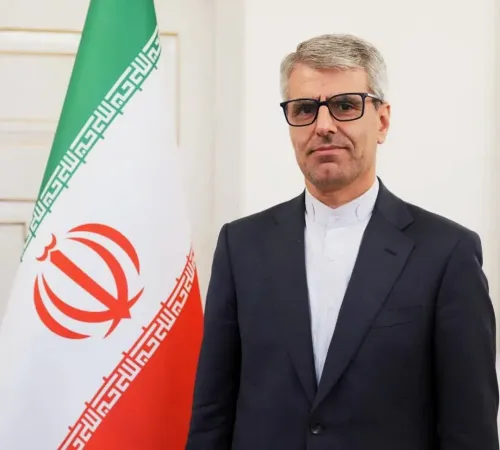
Iranian spokesman Esmaeil Baghaei said on 26 October 2026 that Israel's 27 October election outcome would make no difference to Iran .
Baghaei warned Israel is 'highly adept at carrying out false-flag operations,' rejecting claims that Iran might strike to disrupt the vote.
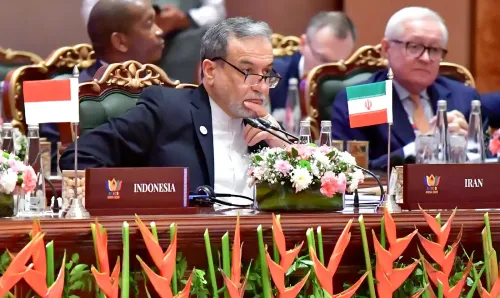
Foreign Minister Seyed Abbas Araghchi stated on 25 October that management of the Strait of Hormuz 'will not be the same as it once was.' Araghchi cited 'fundamental and strategic' changes in West Asia following what he called the 'US-Israeli war against Iran.' Iran signalled readiness to cooperate with regional countries while rejecting any security role for foreign forces in the region.
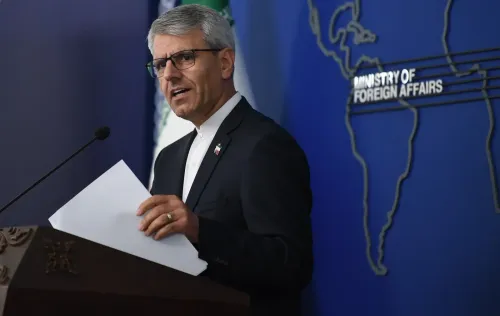
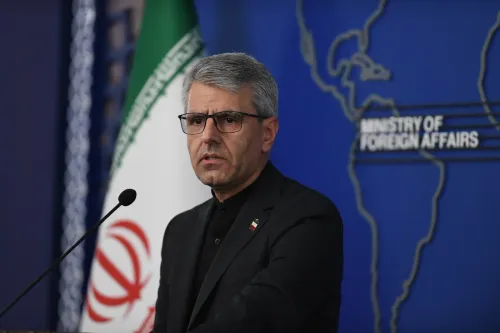
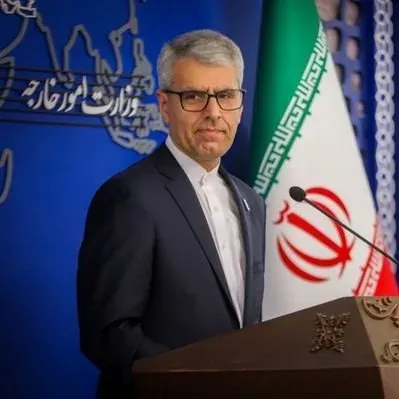
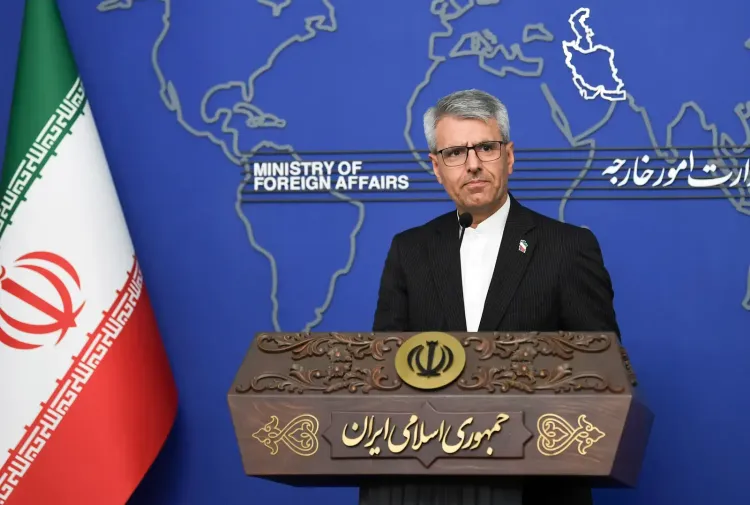
Iranian Foreign Ministry spokesman Esmaeil Baghaei declared on Monday, 26 October 2026, that the result of Israel's parliamentary election on 27 October would have no bearing on Tehran's policies or posture. Speaking at a weekly press conference in Tehran, Baghaei accused Israel of bringing nothing to West Asia but 'violence and massacre,' and reiterated Iran's right to self-defence.
Baghaei's Key Statements
The spokesman directly addressed Israeli officials' claims that Iran might launch preemptive strikes to disrupt the election, calling such assertions a distraction and warning that Israel was 'highly adept at carrying out false-flag operations.' He said Iran's armed forces would not hesitate to defend the country's territory, adding that Iran was in a state of war and fully prepared to exercise its right to self-defence.
Baghaei also accused Israel of continuing what he described as 'genocide' against Palestinians, framing Israeli threats against Iran as part of a broader pattern of hostile conduct rather than legitimate security concerns.
Araghchi's Warning on the Strait of Hormuz
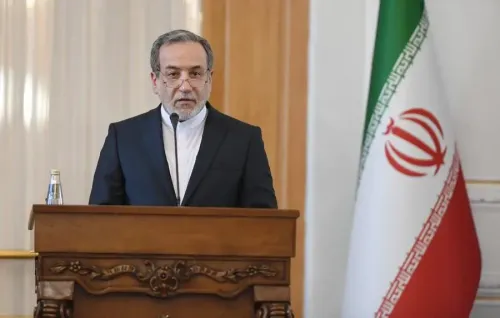
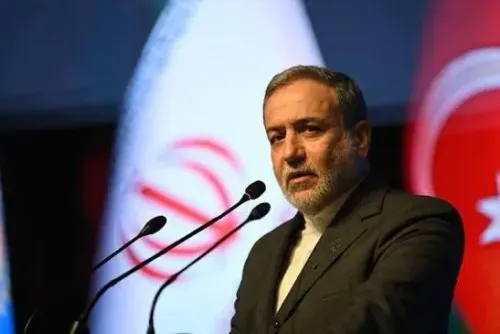
In a separate and strategically significant development, Iranian Foreign Minister Seyed Abbas Araghchi warned on Sunday, 25 October, that the management of the Strait of Hormuz — a critical global oil chokepoint — would no longer operate as it once did. Speaking at a ceremony in Tehran, Araghchi said 'fundamental and strategic' changes had taken place in West Asia following what he called the 'US-Israeli war against Iran.'
'We must accept that new realities have taken hold. The routes in the Strait of Hormuz will not be the same as they once were, and the strait's management will also not be as it was in the past,' Araghchi said. He added that negotiations on the matter were ongoing and would continue.
Regional Security and Foreign Forces
Araghchi stressed that security in the region must be guaranteed by regional nations themselves, without dependence on foreign forces. He argued that outside powers had entered the region primarily to serve their own interests and protect Israel, and that their continued presence would 'lead to nothing but insecurity for the entire region.' He nonetheless signalled that Iran remained open to cooperation with all neighbouring countries.
Context and Implications
The statements come at a period of heightened tension across West Asia, with Iran and Israel having exchanged direct strikes in previous months. Tehran's pointed remarks about the Strait of Hormuz — through which roughly 20% of global oil supplies transit — carry immediate market implications and signal that Iran is leveraging its geographic position as part of its strategic calculus. Notably, this is the second consecutive week in which senior Iranian officials have publicly addressed both the election and the waterway in the same news cycle, suggesting a coordinated messaging effort. How regional actors and global energy markets respond to the Hormuz warning will be closely watched in the days ahead.
Point of View
And any Iranian move to restrict or reframe its governance would send energy markets into immediate volatility. What is being missed in coverage focused on the election is that Iran appears to be reframing the post-conflict order in West Asia on its own terms, using the waterway as leverage. The repeated invocation of 'negotiations' on Hormuz suggests Tehran is pushing for a formalised role — possibly excluding Western navies — that no previous Iranian government has dared to openly pursue.
NationPress
26 Oct 2026
Frequently Asked Questions
What did Iran say about Israel's parliamentary election?
Iranian Foreign Ministry spokesman Esmaeil Baghaei said on 26 October 2026 that the outcome of Israel's 27 October parliamentary election would make no difference to Iran's policies. He accused Israel of bringing only violence and massacre to West Asia and reiterated Iran's readiness to defend itself.
Why did Iran warn about the Strait of Hormuz?
Foreign Minister Seyed Abbas Araghchi said on 25 October 2026 that the administration of the Strait of Hormuz would no longer operate as it had in the past, citing fundamental changes in West Asia following what he described as the US-Israeli war against Iran. The statement signals Tehran may seek a new governance framework for the critical oil waterway.
What is the significance of the Strait of Hormuz?
The Strait of Hormuz is the world's most important oil chokepoint, through which approximately 20% of global oil supplies transit. Any disruption or change in its management would have immediate consequences for global energy markets and shipping routes.
Did Iran threaten to strike Israel ahead of the election?
Iranian officials rejected Israeli claims that Tehran was planning preemptive strikes to disrupt the election. Spokesman Baghaei countered that Israel was 'highly adept at carrying out false-flag operations,' suggesting the accusation itself was part of a disinformation effort. Iran stated its armed forces would act only in self-defence.
What is Iran's position on regional security?
Iran's Foreign Minister Araghchi said regional security must be guaranteed by regional countries themselves, without reliance on foreign forces. He argued that outside powers present in the region are there to serve their own interests and protect Israel, and their continued presence creates instability rather than security.