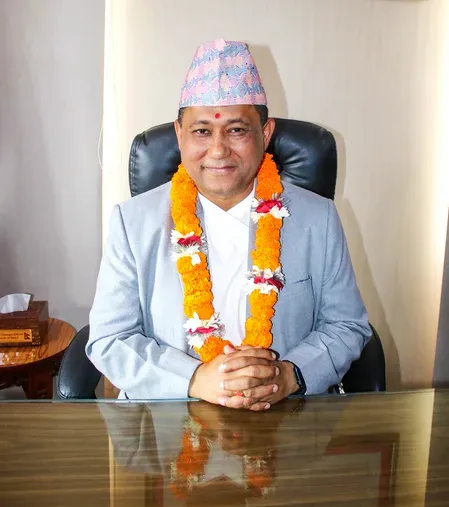
Nepal FM Shishir Khanal to visit China on June 14 after India trip
Synopsis
Days after wrapping up Nepal's first bilateral foreign minister visit to India in years, Shishir Khanal heads to Beijing — a sequencing that is itself a diplomatic signal. With China pressing for BRI progress and clarity on Tibet and Taiwan, and India having just locked in a digital payments deal, Kathmandu is walking its tightrope with unusual visibility.
Key Takeaways
Nepal's Foreign Minister Shishir Khanal is scheduled to depart for Beijing on 14 June , with official meetings on 15 and 16 June .
He will meet Chinese FM Wang Yi and Liu Haixing , head of the CPC's International Department.
Former Nepali ambassador Bishnu Pukar Shrestha says China will seek clarity on the new government's stance on Tibet, Taiwan , and the One-China policy .
China is also expected to push for faster progress on Belt and Road Initiative (BRI) projects in Nepal.
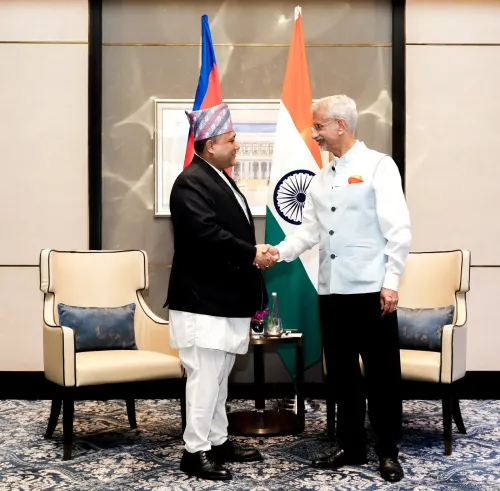
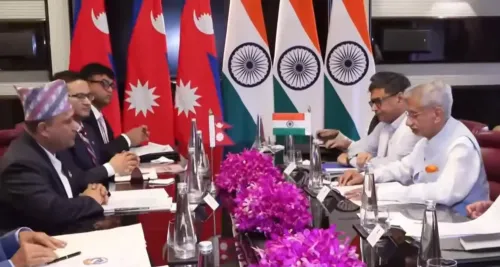
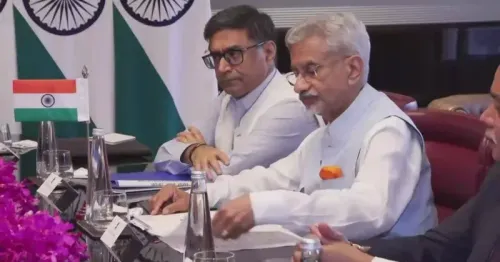
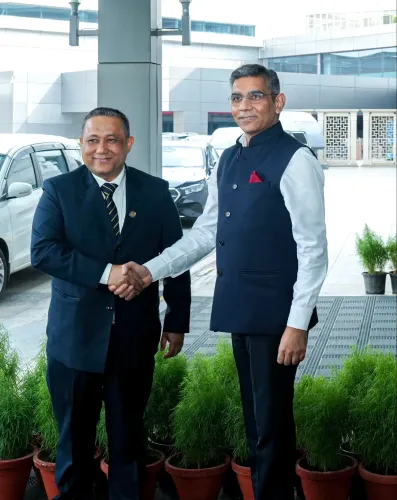
Khanal concluded a three-day visit to India on Sunday, reaching agreements including on cross-border digital payments .
Nepal's 2026–27 budget commits to 'balanced foreign relations' based on mutual benefit, national dignity, and sovereign interests.
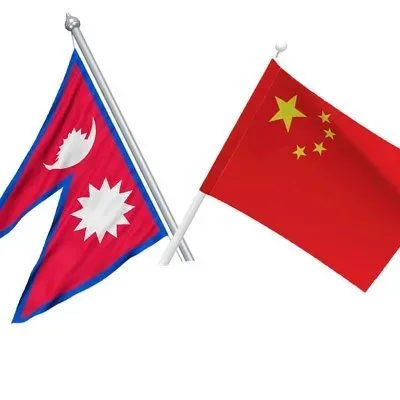
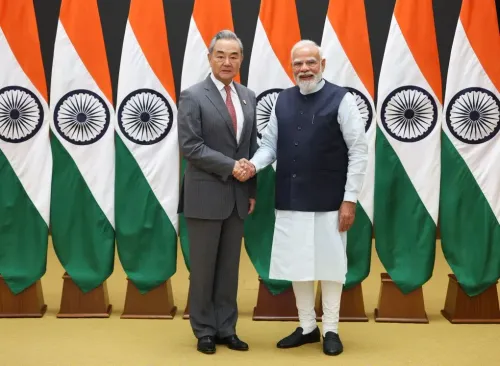
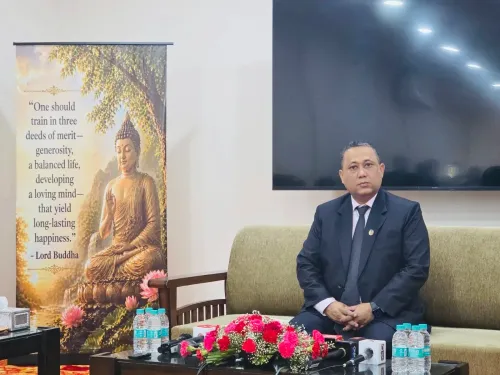
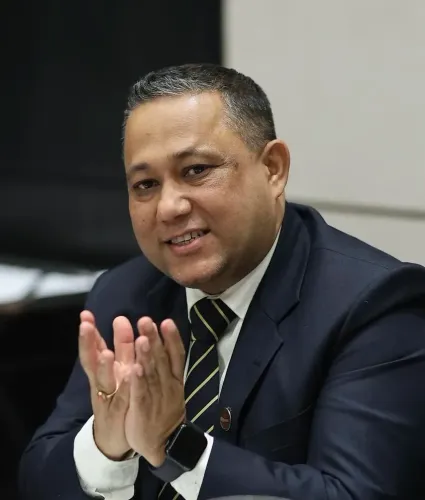
Nepal's Foreign Minister Shishir Khanal is set to travel to Beijing on 14 June, days after wrapping up a three-day bilateral visit to India, according to local media reports citing sources. The back-to-back diplomatic engagements underscore Kathmandu's carefully calibrated effort to maintain balanced ties with its two giant neighbours.
Key Meetings Scheduled
Khanal's official programme in China spans 15 and 16 June, with meetings lined up with Chinese Foreign Minister Wang Yi and Liu Haixing, head of the International Department of the Communist Party of China. He is scheduled to return to Kathmandu on 17 June. The minister will also meet members of the Nepali diaspora in China during the visit.
Nepal's Ministry of Foreign Affairs had not officially confirmed the dates or agenda of the China visit as of Monday, according to reports.
What Beijing Wants to Hear
The visit carries significant diplomatic weight, particularly given China's interest in gauging the new Nepali government's stance on sensitive issues. Former Nepali ambassador to China Bishnu Pukar Shrestha said the trip would help Beijing understand where the new administration stands on its core concerns.
'At a time when China is concerned about how the new government will approach China-related issues, Foreign Minister Khanal's visit will be important for Beijing to understand the new government's position on China's core interests,' Shrestha said. He added that Tibet and Taiwan remain China's two foremost security interests, and Beijing will work with any Nepali government that upholds the One-China policy.
Shrestha also noted that China would push for faster implementation of projects under the Belt and Road Initiative (BRI), flagging that little tangible progress has been made on identified BRI projects in Nepal. 'For Nepal, Chinese support in the areas of the three Cs — connectivity, communication, and climate — is important,' he said.
Nepal's Balancing Act
Sandwiched between India and China, Nepal has long pursued a foreign policy doctrine of 'equal distance and equal proximity' with all nations. Prime Minister Balendra Shah has repeatedly affirmed that his government will adhere to these longstanding principles.
The government's annual budget for fiscal year 2026–27 reinforces this posture, stating it will 'strengthen balanced foreign relations based on mutual benefit, national dignity, and sovereign interests while mobilising soft power for economic prosperity.' A draft National Commitment Paper circulated for political consensus similarly commits Nepal to avoiding military alliances and arms races.
In practice, Nepal's relationship with India remains multifaceted, shaped by shared geography, culture, and religion. Khanal concluded his three-day India visit on Sunday — his first bilateral trip as foreign minister — during which the two countries reached agreements on several issues, including cross-border digital payment systems.
What Comes Next
Khanal's China visit will be closely watched by regional analysts as a signal of how the new Nepali government intends to navigate an increasingly competitive geopolitical environment. Nepal has pledged to advance national interests through trilateral economic partnerships and regional connectivity while positioning itself as an independent, neutral, and non-aligned state on the global stage.
Point of View
Then China — is not accidental. Kathmandu is signalling symmetry, but symmetry is harder to maintain than it looks. China's BRI pipeline in Nepal has stalled for years, and Beijing will use this visit to test whether the new government has the political will to move it. India, meanwhile, has just secured a digital payments agreement that deepens economic integration in ways BRI has not yet matched on the ground. Nepal's 'equal distance' doctrine is being stress-tested by an unequal reality: one neighbour shares a border, culture, remittances, and trade routes; the other offers infrastructure promises that have yet to materialise at scale.
NationPress
20 Sept 2026
Frequently Asked Questions
When is Nepal FM Shishir Khanal visiting China?
Shishir Khanal is scheduled to depart for Beijing on 14 June, with official meetings on 15 and 16 June, and a return to Kathmandu on 17 June, according to reports citing sources.
Who will Khanal meet during his China visit?
He is expected to hold talks with Chinese Foreign Minister Wang Yi and Liu Haixing, head of the International Department of the Communist Party of China. He will also interact with members of the Nepali diaspora in Beijing.
Why is Khanal's China visit significant?
The visit comes immediately after his first bilateral trip to India as foreign minister, reflecting Nepal's effort to balance ties with both neighbours. China is keen to understand the new government's position on the One-China policy and BRI project implementation.
What did Nepal and India agree on during Khanal's India visit?
Nepal and India reached agreements on several issues during Khanal's three-day India visit, including on cross-border digital payment systems. It was his first bilateral visit to India as foreign minister.
What is Nepal's stated foreign policy stance?
Nepal pursues a policy of 'equal distance and equal proximity' with all countries, rejecting military alliances and arms races. Prime Minister Balendra Shah has reaffirmed this doctrine, and the 2026–27 budget commits to balanced foreign relations based on mutual benefit, national dignity, and sovereign interests.