US-Iran agree to pause strikes, hold Doha talks on Hormuz Strait
Synopsis
The US and Iran have stepped back from the brink — for now. After a weekend of mutual strikes over the Strait of Hormuz, both sides have agreed to a fragile pause and are heading to Doha for talks. With a promised US-Iran military hotline still non-operational and Trump warning Iran 'will no longer exist' if attacks continue, the ceasefire is as precarious as it is consequential for global oil markets.
Key Takeaways
US and Iran agreed to pause mutual attacks 'for now' and hold talks in Doha, Qatar to resolve Strait of Hormuz tensions.
US President Donald Trump warned that Iran 'will no longer exist' if attacks on commercial shipping continue.
CENTCOM confirmed strikes on Iranian missile and drone storage locations and coastal radar sites after a drone allegedly hit the tanker M/T Kiku , carrying over two million barrels of crude oil.
A US-IRGC military hotline agreed upon during earlier Switzerland talks was reportedly still not operational as of Saturday .
The Doha talks, originally focused on Iran's nuclear programme , have shifted focus to shipping security in the strait.
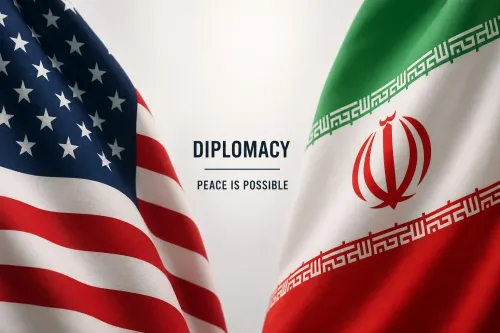
The United States and Iran have agreed to halt mutual attacks 'for now' and are set to hold talks in Doha, Qatar to resolve their escalating dispute over the Strait of Hormuz, according to a report by US media outlet Axios. The development comes after a volatile weekend of cross-border strikes that threatened to disrupt one of the world's most critical oil shipping lanes.
Key Developments
A US official, quoted in reports, confirmed that both sides have agreed to stand down 'for now' and that 'vessels can move freely' as technical negotiations are set to continue. The Tuesday talks in Doha were originally scheduled to take place in Switzerland with a focus on Iran's nuclear programme. However, renewed hostilities in the Strait of Hormuz prompted organisers to shift the venue and the agenda toward shipping security in the strategic waterway.
During an earlier round of negotiations in Switzerland a week ago, the US delegation and Iran agreed to establish a 'hotline' between the US military and Iran's Islamic Revolution Guard Corps (IRGC) to coordinate vessel traffic through the strait. However, as of Saturday, the hotline was reportedly still not operational.
What Triggered the Latest Strikes
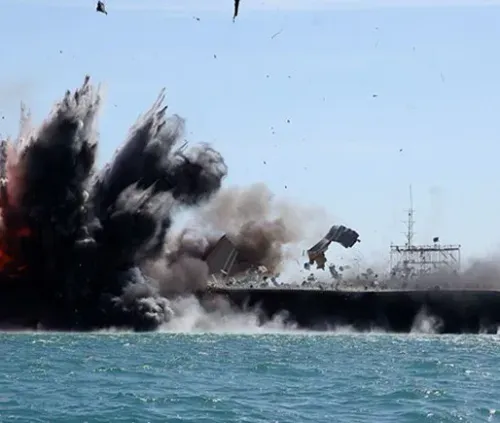
The United States conducted strikes on Iranian targets on Friday and Saturday, citing what it described as 'continued Iranian aggression against commercial shipping' in the Strait of Hormuz. Iran retaliated by striking US military positions in the region.
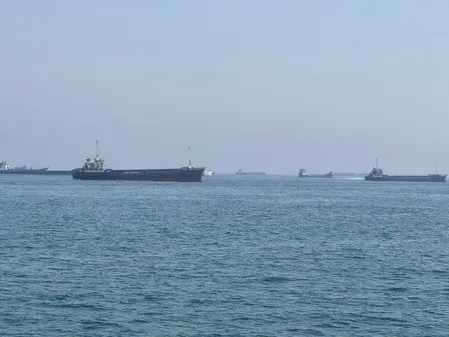
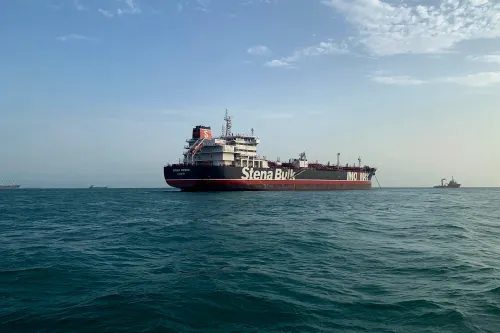
US President Donald Trump said on Saturday that fresh air strikes had been launched on Iranian military targets after accusing Tehran of again violating the ceasefire agreement — specifically, by allegedly attacking a commercial oil tanker near the strait. The US Central Command (CENTCOM) said the strikes were carried out at the President's direction after Iran allegedly launched a one-way attack drone that struck the Panama-flagged tanker M/T Kiku at 4:30 a.m. ET. The vessel was transiting near the Strait of Hormuz carrying more than two million barrels of crude oil.
Trump's Warning to Tehran
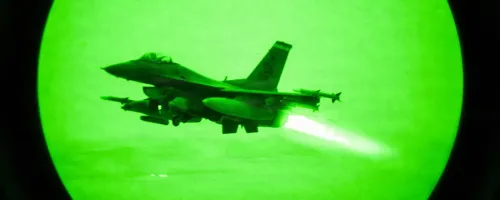
In a post on his Truth Social platform, President Trump said US aircraft had struck Iranian missile and drone storage locations as well as coastal radar sites. He wrote: 'United States aircraft just struck Iranian missile and drone storage locations, and coastal radar sites, for violating the Cease Fire Agreement, AGAIN! It is very possible that they will never learn!'
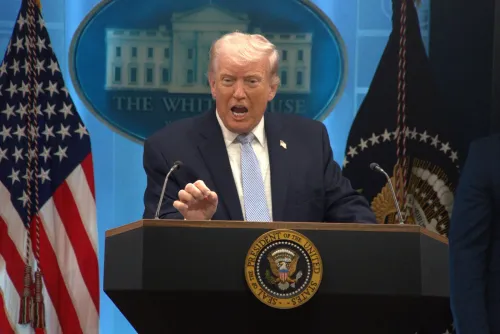
Trump further warned: 'There may come a point when we are no longer able to be reasonable, and will be forced to militarily complete the job that we very successfully started. If that happens, the Islamic Republic of Iran will no longer exist!' The stark warning marked one of the sharpest public threats issued by a sitting US president toward Iran in recent memory.
CENTCOM noted that Iran had been given an opportunity to comply with the ceasefire following Friday's US strikes, which were themselves a response to an earlier attack on the vessel M/V Ever Lovely.
Why the Strait of Hormuz Matters
The Strait of Hormuz is the world's single most important oil chokepoint, with roughly 20% of global petroleum liquids transiting it annually, according to energy data. Any sustained disruption to shipping through the strait would have immediate consequences for global oil prices and supply chains — including for major importers such as India, China, and Japan. This is not the first time the waterway has been at the centre of a US-Iran standoff; tensions have periodically spiked since the 2019 tanker attacks, but the current exchange of strikes represents a significant escalation.
What Comes Next
All eyes are now on the Doha talks, where both sides are expected to address the immediate question of safe passage through the strait before returning to the broader nuclear agenda. The durability of the current pause will likely depend on whether the long-delayed US-IRGC hotline becomes operational before the next incident occurs.
Point of View
Even as the political will for it is being tested in real time. Trump's 'will no longer exist' language is the kind of rhetoric that forecloses diplomatic space even as diplomats are being dispatched to Doha. The Strait of Hormuz is not merely a bilateral issue — with India among the world's largest importers of Gulf crude, New Delhi has a direct stake in whether these talks hold or collapse.
NationPress
29 Jun 2026
Frequently Asked Questions
Why have the US and Iran agreed to pause strikes?
The US and Iran have agreed to halt mutual attacks 'for now' to allow technical talks in Doha, Qatar, aimed at resolving their dispute over safe passage through the Strait of Hormuz. The pause follows a weekend of cross-border strikes triggered by alleged Iranian attacks on commercial shipping.
What happened to the M/T Kiku tanker?
The Panama-flagged tanker M/T Kiku was allegedly struck by an Iranian one-way attack drone at 4:30 a.m. ET while transiting near the Strait of Hormuz. It was carrying more than two million barrels of crude oil at the time of the alleged attack, according to CENTCOM.
What did Trump say about Iran?
President Trump warned on Saturday that Iran 'will no longer exist' if attacks on commercial shipping continue, posting the threat on Truth Social after ordering fresh air strikes on Iranian missile and drone storage locations and coastal radar sites.
Why were the Doha talks moved from Switzerland?
The talks were originally scheduled in Switzerland with a focus on Iran's nuclear programme. Renewed hostilities in the Strait of Hormuz prompted organisers to shift the venue to Doha and redirect the agenda toward shipping security in the strategic waterway.
What is the significance of the Strait of Hormuz?
The Strait of Hormuz is the world's most critical oil chokepoint, with roughly 20% of global petroleum liquids passing through it annually. Disruptions to shipping there directly affect oil prices and supply chains for major importers including India, China, and Japan.