Raghav Chadha's first Punjab visit after AAP exit: BJP meet eyes 2027 polls
Synopsis
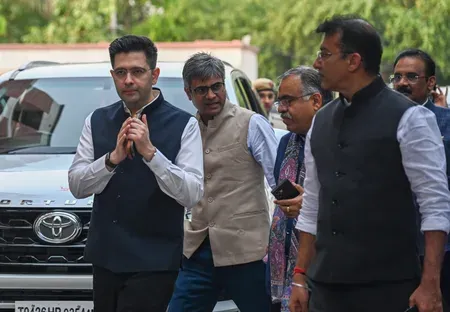
Raghav Chadha's return to Punjab — his first since quitting AAP in April — wasn't a homecoming. It was a political relaunch. His presence at a BJP strategy conclave in Ludhiana, alongside six other former AAP Rajya Sabha MPs, signals that the party is deploying its high-profile defectors as electoral assets well ahead of the 2027 Punjab Assembly battle.
Key Takeaways
Raghav Chadha visited Punjab on 22 June for the first time since quitting AAP in April 2025 .
He attended a BJP strategy meeting in Ludhiana chaired by party National President Nitin Nabin , focused on the 2027 Punjab Assembly elections .
Fellow defector and Rajya Sabha MP Rajinder Gupta also attended the meeting.
Seven of AAP's ten Rajya Sabha MPs — including Sandeep Pathak , Ashok Mittal , Harbhajan Singh , Swati Maliwal , and Vikramjit Sahney — quit AAP and joined BJP in April.
The two-thirds threshold under the Tenth Schedule (anti-defection law) shielded all seven from disqualification.
Chadha is reportedly being considered for a key organisational role within BJP ahead of the polls.
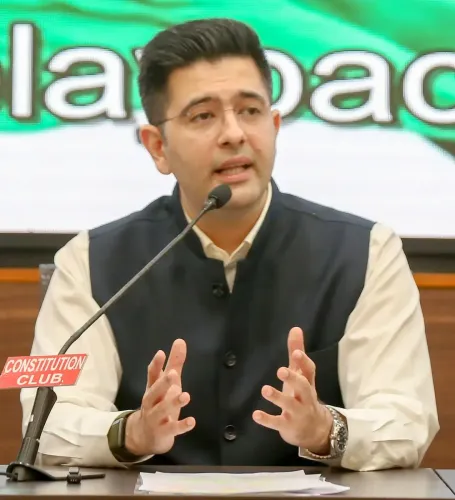
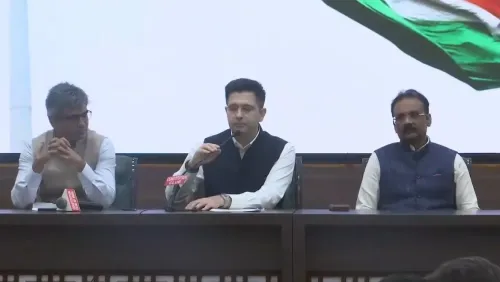
Rajya Sabha MP Raghav Chadha visited Punjab for the first time since defecting from the Aam Aadmi Party (AAP) in April 2025, attending a key Bharatiya Janata Party (BJP) strategy meeting in Ludhiana on Monday, 22 June. The conclave, chaired by BJP National President Nitin Nabin, was convened to map out the party's ground-level approach for the 2027 Punjab Assembly elections.
What Happened at the Ludhiana Meeting
Chadha attended alongside fellow defector and Rajya Sabha MP Rajinder Gupta, who also crossed over from AAP to BJP. According to party sources, Nabin urged all leaders and MPs present to deepen their grassroots engagement ahead of the polls.
'Keeping the 2027 elections in mind, he clarified the newly arrived MPs may be entrusted with important electoral responsibilities within the organisation,' a senior BJP leader who attended the meeting said, requesting anonymity. Chadha's presence is being read within political circles as a signal that he could be assigned a significant organisational role in the run-up to the state polls.
The Mass Exit from AAP
Chadha was part of a larger wave of departures from AAP's Rajya Sabha contingent. Five other AAP Rajya Sabha members — Sandeep Pathak, Ashok Mittal, cricketer Harbhajan Singh, Swati Maliwal, and Vikramjit Sahney — had also announced their resignation from AAP in April and subsequently joined the BJP. Of these seven MPs, six — excluding Maliwal — represent Punjab in the Upper House.
After his exit, Chadha took to social media to explain his decision, alleging that AAP had turned 'toxic' and asserting that joining the BJP would allow him to pursue his causes more effectively.
Why the Anti-Defection Law Did Not Apply
The mass defection was legally significant. Since seven out of AAP's ten Rajya Sabha MPs switched parties simultaneously, the group cleared the two-thirds threshold required under the Tenth Schedule of the Constitution — commonly known as the anti-defection law — for a merger to be recognised. Had any of them acted individually, they would have risked disqualification from their Rajya Sabha seats. The collective nature of the move effectively shielded all seven from that consequence.
What This Means for Punjab Politics
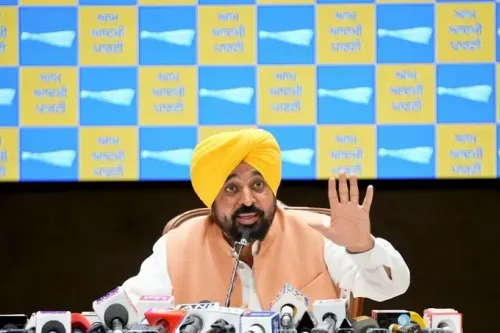
Punjab is currently governed by AAP under Chief Minister Bhagwant Mann, and the 2027 Assembly elections are shaping up as a high-stakes contest. The BJP, which has struggled to establish independent electoral footing in the state, appears to be banking on the political capital and name recognition of the former AAP MPs to build credibility at the constituency level. Chadha's first in-person appearance in Punjab since the defection underscores the urgency with which the party is mobilising its newest recruits. Whether these MPs can convert their parliamentary profiles into grassroots influence will be a central question as campaigning intensifies.
Point of View
And it worked. But the harder question is whether these MPs bring votes or just headlines. AAP's Punjab base was built on local grievances and Bhagwant Mann's on-ground presence; Chadha and company were largely Delhi-facing figures. The BJP's bet is that name recognition translates to electoral capital in 2027 — a proposition that Punjab's notoriously volatile electorate has not yet validated. Chadha's Ludhiana appearance is a beginning, not a breakthrough.
NationPress
21 Sept 2026
Frequently Asked Questions
Why did Raghav Chadha quit AAP?
Chadha alleged that AAP had turned 'toxic' and said joining the BJP would allow him to pursue his causes more effectively. He was among seven AAP Rajya Sabha MPs who announced their resignation from the party in April 2025 and subsequently joined the BJP.
What was the BJP meeting in Ludhiana about?
The meeting, chaired by BJP National President Nitin Nabin, was convened to chalk out a grassroots strategy for the 2027 Punjab Assembly elections. Party sources indicated that newly joined MPs, including Chadha, could be given key organisational responsibilities ahead of the polls.
Why were the defecting AAP MPs not disqualified under the anti-defection law?
Because seven of AAP's ten Rajya Sabha MPs switched parties together, they cleared the two-thirds threshold required under the Tenth Schedule of the Constitution for a merger to be legally recognised. Had any individual MP defected alone, they would have risked losing their Rajya Sabha seat.
Which other AAP MPs joined the BJP alongside Raghav Chadha?
Along with Chadha, five other AAP Rajya Sabha members — Sandeep Pathak, Ashok Mittal, Harbhajan Singh, Swati Maliwal, and Vikramjit Sahney — quit AAP in April and joined the BJP. Rajinder Gupta was also part of the group. Six of the seven represent Punjab in the Upper House.
What is the significance of Chadha's Punjab visit for the 2027 elections?
It marks Chadha's first in-person political engagement in Punjab since his defection and signals that the BJP is actively deploying its former AAP MPs as ground-level assets ahead of the 2027 Assembly elections, in which AAP is the incumbent party under Chief Minister Bhagwant Mann.